Technical Blog
Where imaging and motion control specifications come from.
When the Display Hides a Detail the Camera Captured
A reduced control-room tile can hide detail that remains in the camera frame. A reversible viewing-scale comparison helps separate this presentation effect from changed streams, optics or installation hardware.
A Connected Thermal Camera Can Show You the Past
A green connection indicator can sit beside an old image. Learn how to separate video arrival, scene freshness, temperature settling and useful operation—and build a ready indication that notices when any of them stops working.
Why a Hot Shiny Pipe Can Look Cold
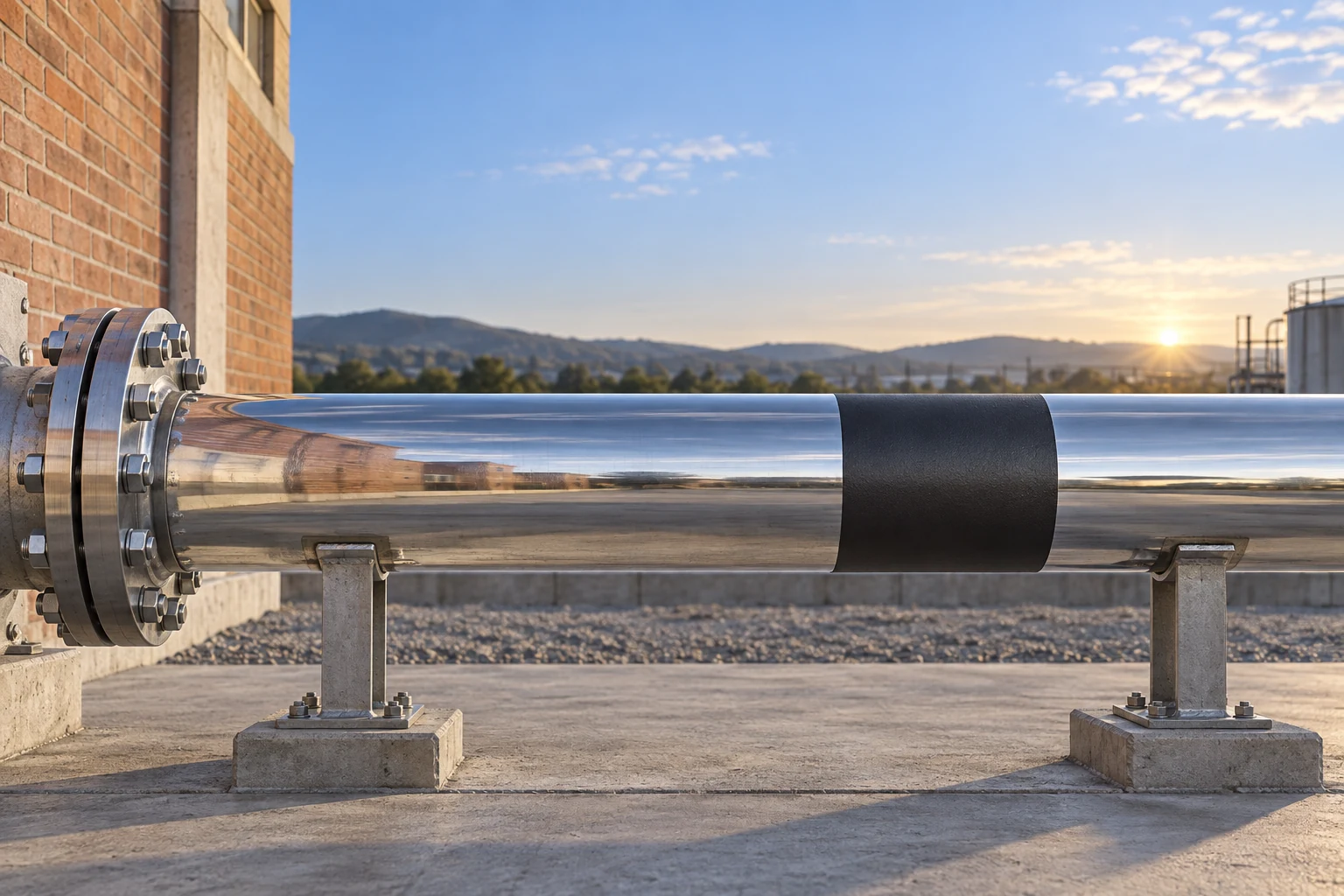
A thermal camera sees surface emission and reflected surroundings together. Discover why a hot metal surface can look cool, why sensitivity cannot fix missing detail, and how to test the right thing.
One Mast Offset, Two Different Camera Angles
A mast tip can move the same distance under two loads yet leave its camera at different angles. Two checked beam examples reveal why the bend shape matters, and which measurements explain the view.
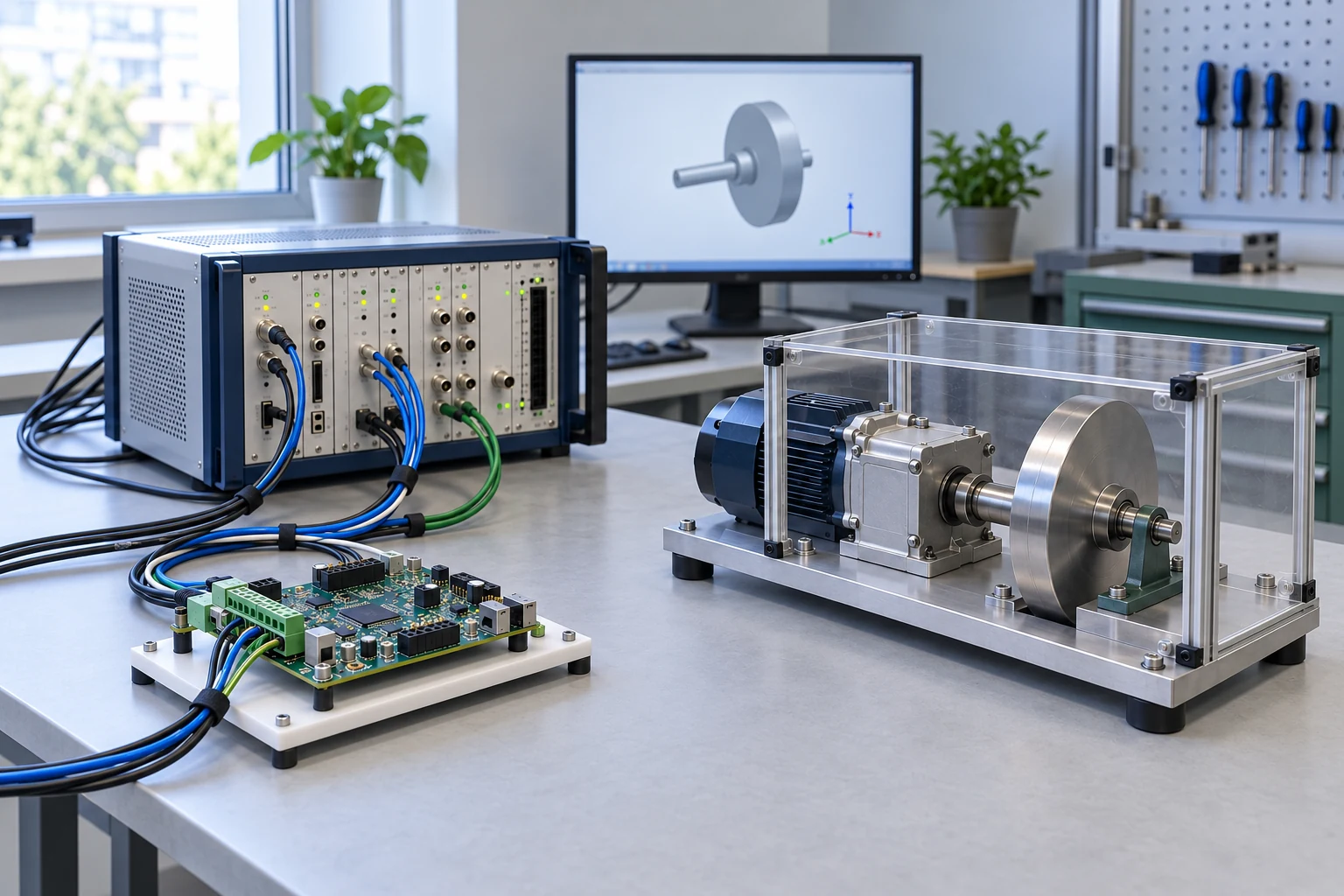
Your Controller Passed HIL. Did the Model Hide the Fault?
A real controller can pass every simulated movement while the actual axis remains stuck. A small torque example shows why friction, drivetrain clearance and sensor faults need different tests—and different evidence.
Why a Steady Image Can Be the Blurrier One
A camera can return to the same average position in every frame while losing fine detail during each exposure. A worked comparison shows how motion frequency, exposure time and frame timing change the image.