Webinars
Live sessions given by the engineers who designed the hardware.
Session

Choosing a Thermal Channel and Predicting Range
How detector resolution, pixel pitch, NETD and focal length combine into a detection, recognition and identification range, why two systems with the same detector can perform differently, and the conditions in which neither band helps.
For: System engineers and technical procurement staff specifying an imaging chain.
- The two atmospheric windows, what each costs to own, and the weather in which neither one saves you
- Reading NETD, MRTD and pixel pitch together instead of separately
- Detection, recognition and identification are three different distances - working out which one your datasheet is quoting
- Working an example from a stated target and range to a specific model
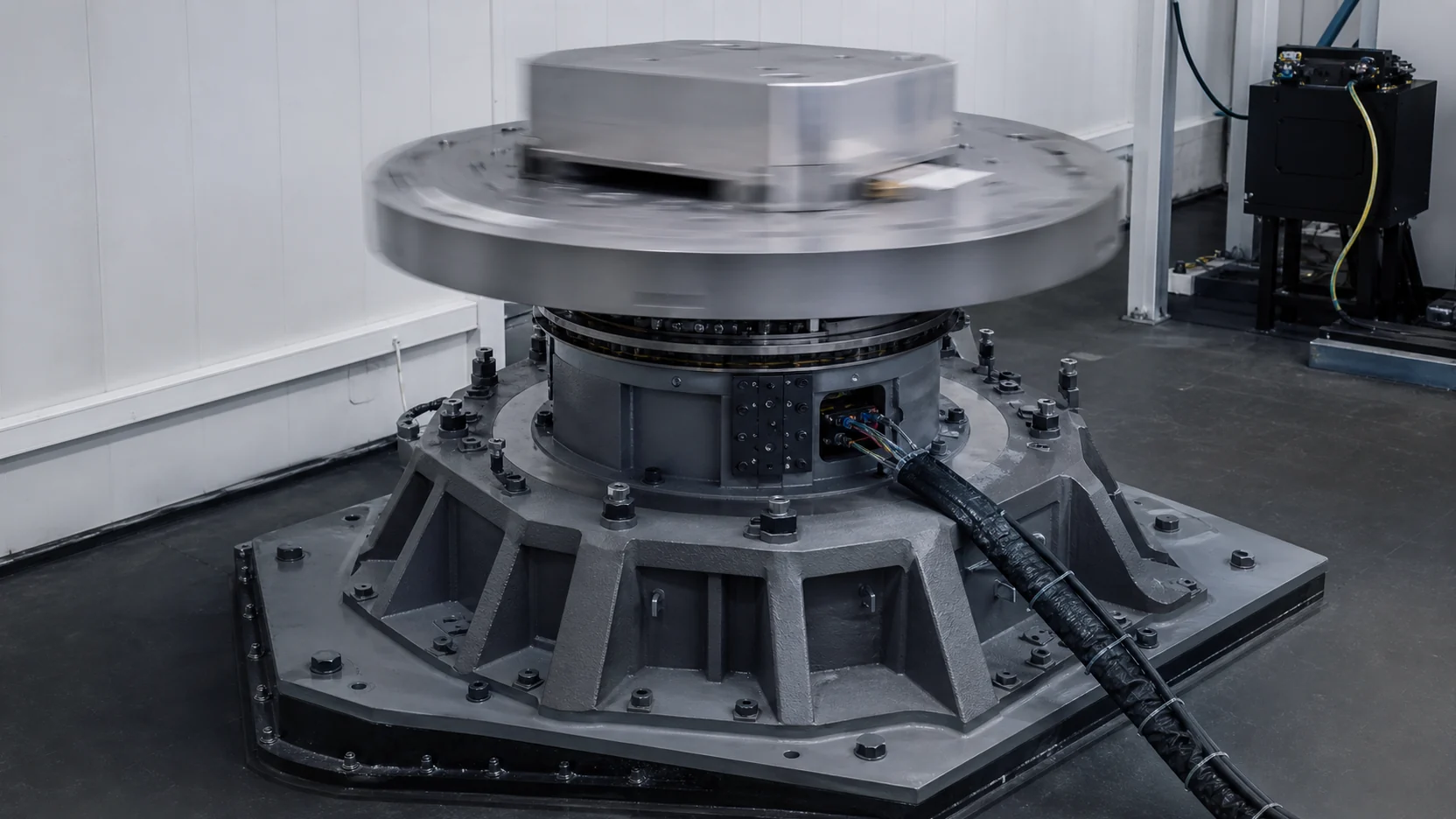
Stabilisation and Pointing on a Moving Platform
The error budget behind a stabilisation figure - bearings, backlash, encoders, inertial sensing and control bandwidth - how dual-loop control moves an architecture by an order of magnitude, and why the same figure quoted over two different averaging windows describes two different machines.
For: Integrators fitting an imaging system to a vehicle or an unmanned platform.
- Why stabilisation is a budget and not a number, and why the largest term is the only one worth spending on
- Single-loop against dual-loop, and what the second encoder buys
- Verifying a control loop before hardware exists - hardware-in-the-loop and multi-body dynamics
- Writing a stabilisation requirement that states the disturbance, the focal length and the dwell time
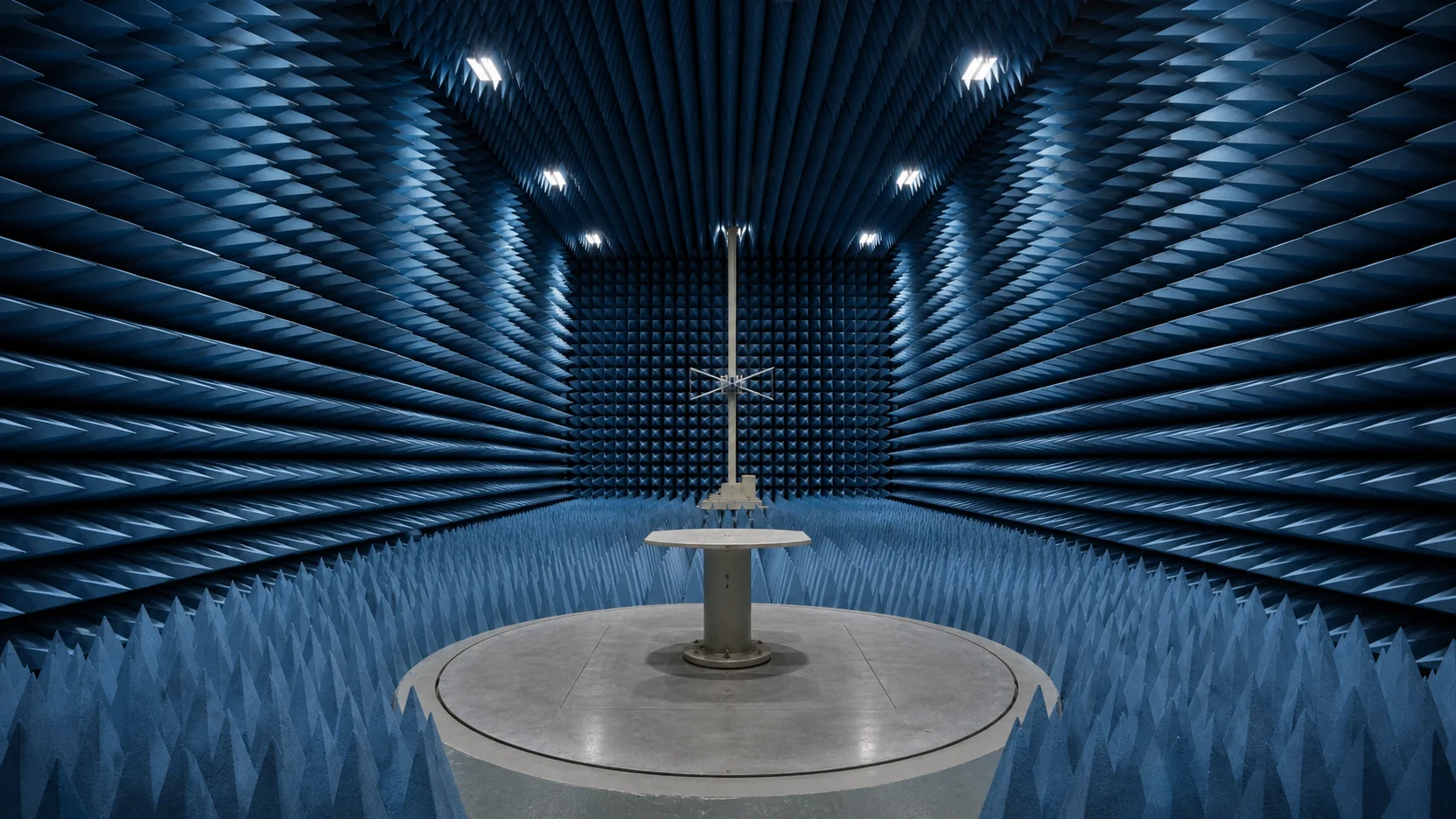
Qualification, EMC and Vehicle Integration
What a MIL-STD-810G claim proves and does not prove, how MIL-STD-461 differs from it, why "designed to", "tested to" and "qualified to" are three different statements, and the three interfaces - power, bus and bonding - that decide how long an integration takes.
For: Programme and integration engineers preparing a platform acceptance campaign.
- Method, procedure and severity - the three terms a qualification claim needs before it can be compared
- Where component qualification stops and platform testing begins, and what the test article has to be
- Power rail behaviour - load dump, cranking dips, peak torque current and the voltage at the far end of the harness
- Bonding, routing, slip ring line count and the transmitter that lives on your own vehicle
These sessions are delivered live to your engineering team, online or at your site, by the engineers who designed the systems. Tell us which session and roughly how many people, and we will arrange a date.
Request Quote